

BIS ISI Certification for Bunk Beds in India: Complete Compliance Guide
Bunk beds — including two-tier bunk beds, triple bunk beds, and loft beds for children and adults — are subject to mandatory BIS ISI Mark certification under the Furniture Quality Control Order in India, with enhanced safety requirements reflecting the fall and entrapment hazards of elevated sleeping.
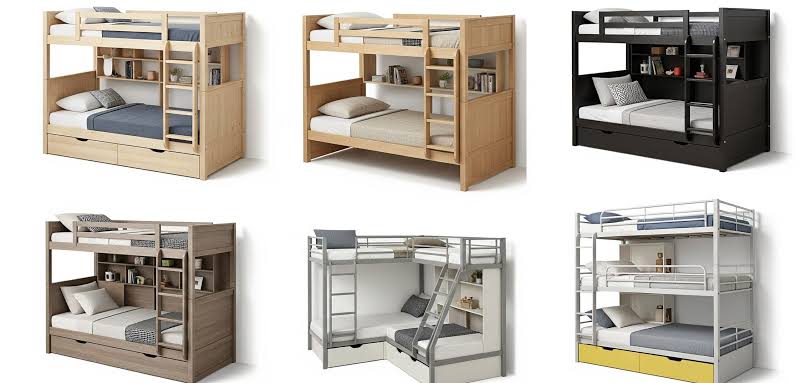
Bunk beds carry the most stringent safety requirements of any furniture category under the BIS Furniture QCO. Mandatory BIS ISI Mark certification requires a factory audit by a BIS officer, in-plant quality management verification, and ongoing product testing through periodic surveillance. Non-compliance attracts market withdrawal, seizure of goods, and prosecution under the BIS Act 2016.
This guide covers the applicable Indian Standards, mandatory testing requirements, the step-by-step FMCS licence process, documentary requirements, and the most critical compliance pitfalls for this product category in 2026.
Applicable Indian Standards
IS 18033 : 2023 — Bunk beds and high beds — Safety requirements and test methods
IS 18028 — Furniture — General safety requirements and test methods
Applicable QCO — Furniture (Quality Control) Order, as notified by the Ministry of Commerce and Industry
IS 18033 applies rigorous entrapment testing (head, neck, and body), guard rail height and gap verification, ladder strength and angle testing, and elevated berth structural load testing — all reflecting the severe injury risk from entrapment and falls from the upper bunk.
Mandatory Tests for BIS ISI Certification for Bunk Beds
BIS-approved laboratories and BIS officers evaluate the following key areas during type-testing and factory audit:
Entrapment Testing
Head, neck, and body entrapment probe tests on all openings in the guard rail, headboard, footboard, and ladder — a critical safety test unique to bunk beds.
Guard Rail Safety
Guard rail height above the mattress surface, gap below the guard rail, and guard rail structural strength under outward lateral load.
Ladder Strength & Angle
Ladder rung load capacity, ladder mounting security at both top and bottom attachment points, and ladder angle compliance.
Upper Berth Structural Load
Static and dynamic (drop impact) load on the upper sleeping surface; slat system integrity and cross-beam strength under full occupant load.
Step-by-Step BIS ISI Mark (FMCS) Licence Process
- Entrapment Zone Mapping — Map every opening in the bunk bed structure (guard rail gaps, ladder rungs, headboard openings, footboard gaps) against IS 18033 entrapment probe dimensions before design finalisation.
- BIS Form V Licence Application — Submit Form V online on BIS Manak Online with factory details, bunk bed dimensions, and construction specification.
- Factory Audit by BIS Officer — BIS officer audits the manufacturing facility covering frame material, entrapment zone construction, guard rail design, and in-plant quality controls.
- Sample Testing at BIS-Approved Lab — Officer-drawn bunk bed samples tested for all IS 18033 requirements including entrapment, guard rail, ladder, and structural load tests.
- Corrective Action — All entrapment failures, guard rail deficiencies, and structural load non-conformances must be resolved before licence grant.
- FMCS Licence Grant and ISI Mark — BIS grants the FMCS licence. ISI mark label affixed to each bunk bed unit with the licence code and IS number.
- Annual Renewal and Surveillance — Periodic BIS surveillance and product testing; annual fee and compliance update required.
Key facts: Annual licence renewal | 2–4 months typical licence grant | Strictest furniture safety category.
Documents Required
- Completed BIS Form V licence application
- Factory registration certificate and address proof
- Bill of materials including guard rail, ladder, and frame hardware
- Raw material test certificates (steel, solid wood, engineered wood)
- Entrapment zone drawing with all opening dimensions marked
- Sample test report from BIS-approved furniture laboratory covering IS 18033
- Authorised signatory identity and authority documents
- Product assembly instructions and safety warning labels
- Factory layout plan
Technical Note: For bunk beds intended for children under 6 years old, IS 18033 prescribes additional entrapment probe tests specific to this age group. Manufacturers targeting the children’s bedroom market must confirm the applicable age range and test probe set before submitting samples for BIS testing.
Common Causes of Licence Rejection or Suspension
- Entrapment probe access through guard rail openings, ladder rungs, or headboard / footboard gaps
- Guard rail height below the IS 18033 minimum above the compressed mattress surface
- Ladder rung failing the specified vertical load test at either mounting attachment point
- Upper berth structural frame failing or deflecting excessively under the drop impact or static load test
- Guard rail showing outward deflection beyond the permitted limit under the lateral load test
Special Considerations for Importers
Bunk beds imported into India must carry the ISI Mark and meet IS 18033 requirements before customs clearance under the Furniture QCO. Given the elevated fall and entrapment risk for children, BIS enforces this category with particular rigour at the port of entry.
Why Choose PCN India Global
- End-to-end FMCS licence management — from Form V application to ISI Mark licence grant
- AIR services — we act as your Authorised Indian Representative in India
- Factory audit preparation — gap analysis and in-plant quality system support before the BIS officer visit
- Direct lab coordination — with BIS-recognised laboratories for all applicable IS standard testing
- Renewal & surveillance support — ongoing compliance management across the licence lifecycle
PCN India Global manages end-to-end BIS ISI Mark (FMCS) certification for bunk beds in India — from IS 18033 entrapment testing to licence grant and surveillance. Contact us: WhatsApp +91 80109 05029 or email bdm@pcnindiaglobal.com.