
STQC Certification in India: What It Is, Which Products Need It & How to Get Certified
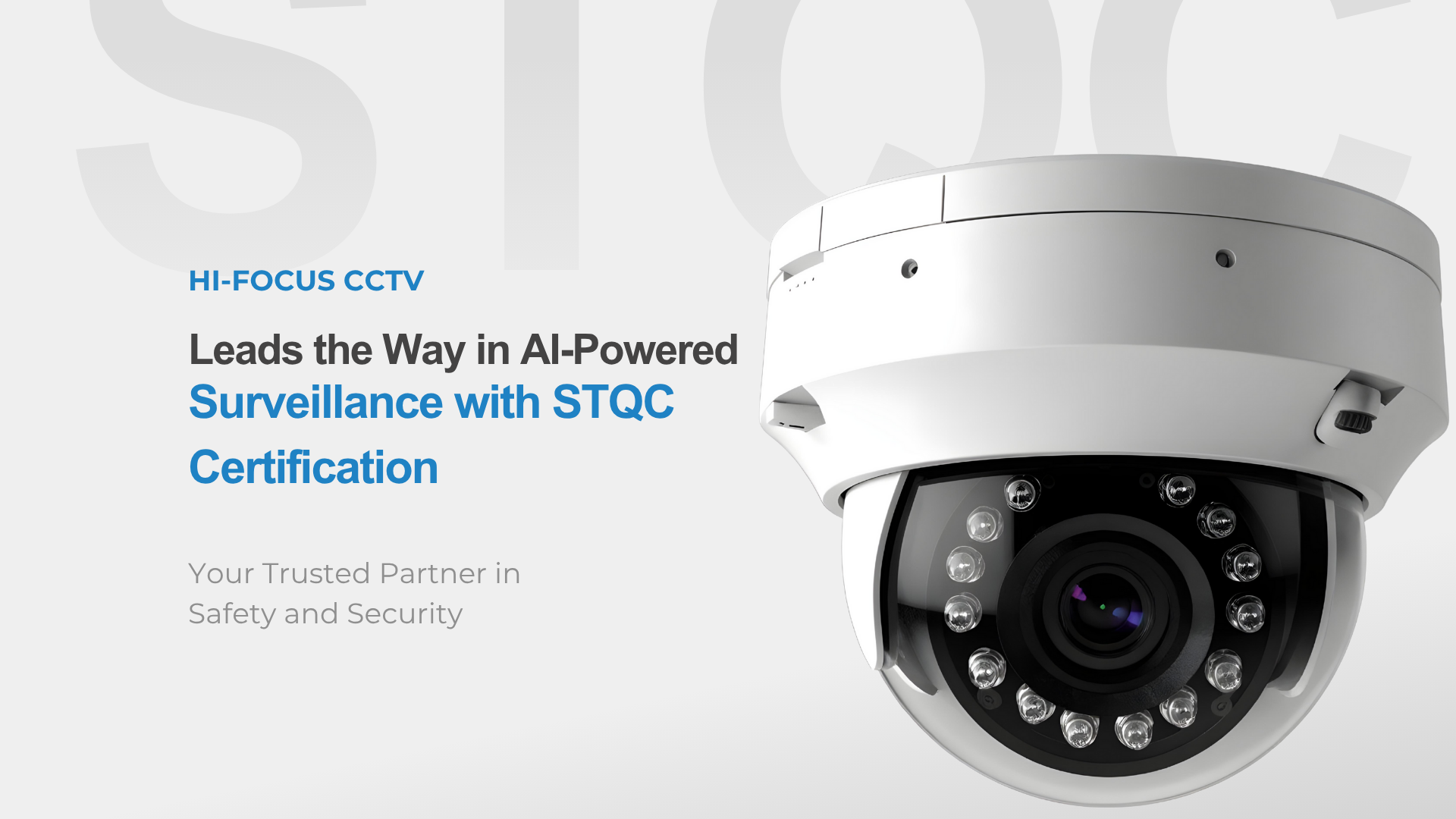
STQC — Standardisation Testing and Quality Certification — is an organisation under the Ministry of Electronics and Information Technology (MeitY) that provides testing, calibration, and certification services for electronics and IT products in India. While BIS CRS covers the mandatory safety and performance certification route for consumer electronics, STQC plays a critical and sometimes mandatory role for government procurement, cybersecurity products, and specific IT hardware categories.
For technology companies, government vendors, and IT hardware importers, understanding when STQC certification is required — and when it provides a strategic advantage — can be the difference between winning contracts and being disqualified at the first screening.
1. What Is STQC?
STQC (Standardisation Testing and Quality Certification) Directorate operates a network of testing labs and regional centres across India. It was established as the national agency for electronics testing and quality assurance under the Ministry of Electronics. STQC operates under an internationally recognised framework and holds NABL accreditation (National Accreditation Board for Testing and Calibration Laboratories) for its labs.
STQC provides two distinct types of services:
- Mandatory certification: Required for specific product categories notified by the government, primarily for cybersecurity products used in government and critical infrastructure.
- Voluntary/preferred certification: While not legally mandatory for all products, STQC certification is practically required for government procurement (GeM portal, public tenders) and Defence projects.
2. Products That Require or Benefit from STQC Certification
| Product Type | STQC Relevance | Mandatory / Preferred |
|---|---|---|
| IT hardware (desktops, laptops, servers) | Government procurement under MeitY scheme | Preferred for GeM/tender |
| Biometric devices (fingerprint, iris scanners) | UIDAI empanelment requirement | Mandatory for UIDAI use |
| Smart card readers | Government identity programs | Preferred |
| EVM-related equipment | Election Commission India | Mandatory |
| Cybersecurity products (firewalls, IDS/IPS) | CERT-In empanelment, critical infra | Mandatory for govt use |
| Embedded system modules | MeitY procurement policy | Preferred |
| Solar PV modules | BEE/MNRE scheme tie-in | Preferred |
| Digital payment terminals (POS) | RBI/NPCI guidelines | Preferred |
3. STQC vs BIS CRS: Key Differences
| Parameter | BIS CRS | STQC Certification |
|---|---|---|
| Administered by | Bureau of Indian Standards (MCA) | STQC Directorate (MeitY) |
| Primary purpose | Safety & EMI/EMC compliance for consumer electronics | Quality, IT functionality, cybersecurity testing |
| Mandatory for consumer sale | Yes (for notified categories) | No (mandatory only for specific govt categories) |
| Mandatory for govt procurement | Not typically | Yes — preferred or required |
| Tests conducted | IS standards (safety, EMI) | IS/ISO/CC security & quality standards |
| Certification mark | R-XXXXXXXX (BIS number on product) | STQC certificate (not a mark on product) |
For consumer electronics and IT products entering the Indian retail market, BIS CRS remains the mandatory route, while STQC adds quality assurance valued in government channels. Energy-labelled IT products may also require BEE Star Rating.
4. STQC for Government Procurement (GeM & Tenders)
The Government e-Marketplace (GeM) portal — India’s primary platform for government procurement — increasingly requires STQC certification or STQC lab testing as a qualification criterion for IT product vendors. Key situations where STQC is critical:
- Bidding for MeitY, NIC, or other IT ministry tenders for IT hardware
- Listing IT products on GeM under categories that specify quality testing requirements
- Supplying to Defence, Railways, BSNL, or PSUs that mandate STQC
- Products covered under MeitY’s ‘Trusted Products’ or cybersecurity scheme
- Biometric devices for Aadhaar/eKYC deployment through UIDAI
If your business model involves selling IT hardware or security products to government entities in India, STQC certification is a de facto prerequisite even where not explicitly mandated.
5. STQC Testing Process
- Submit an application to STQC’s nearest regional centre with product and company details
- STQC reviews the application and assigns a test plan based on the applicable standard
- Submit product samples to the STQC lab (samples remain at the lab during testing)
- STQC conducts functional, performance, and security testing per the applicable IS/ISO standard
- Test results are reviewed; clarifications or retesting may be requested
- STQC issues a test report and, where applicable, a quality certificate
- Certificate is valid for the product version tested; major changes require re-testing
6. STQC Regional Centres in India
| Centre | City | Key Product Focus |
|---|---|---|
| STQC Hyderabad | Hyderabad | IT hardware, embedded systems, electronics |
| STQC Delhi | New Delhi | IT products, cybersecurity, defence electronics |
| STQC Bengaluru | Bengaluru | IT, telecom, consumer electronics |
| STQC Kolkata | Kolkata | Industrial electronics, consumer products |
| STQC Mumbai | Mumbai | Electronics, BIS CRS related testing, IT |
| STQC Chennai | Chennai | IT products, automotive electronics |
7. Timeline and Costs
STQC testing timelines depend on the complexity of the product and the applicable standard. Typical ranges:
- Simple IT hardware testing: 3–6 weeks from sample receipt
- Cybersecurity product evaluation: 6–16 weeks
- Biometric device UIDAI evaluation: 8–20 weeks
Costs vary by product category, number of tests, and STQC centre. Application fees range from ₹15,000 to ₹2,00,000+ depending on the certification scope. PCN India Global can provide project-specific estimates.
Need Expert Assistance? Contact PCN India Global
India’s regulatory compliance landscape is complex, multi-agency, and constantly evolving. Missing a certification, filing deadline, or document requirement can result in customs holds, product seizures, and significant financial loss. PCN India Global provides complete end-to-end support — from first-mile regulatory mapping through to certificate issuance, with experienced consultants managing every government touchpoint on your behalf.
We specialise in:
- STQC certification application and lab sample coordination
- BIS CRS Registration for electronics and IT products
- WPC ETA and TEC MTCTE for wireless and telecom equipment
- BEE Star Rating for energy-labelled IT products
- Complete India market entry compliance package for IT hardware companies
📞 Phone: 08010905029 | ✉ Email: bdm@pcnindiaglobal.com | 🌐 pcnindiaglobal.com
Your first compliance consultation is free. Reach out today.
Frequently Asked Questions
Q1: Is STQC certification mandatory for selling IT products to private sector buyers in India?
For private sector sales, STQC certification is not legally mandatory in most cases. BIS CRS registration is the mandatory compliance for consumer IT products. STQC becomes important when selling to government or quasi-government customers.
Q2: Does STQC replace BIS CRS for IT products?
No. They serve different purposes. BIS CRS is a safety and EMC compliance certification mandatory for importing and selling consumer IT products. STQC is a quality and functional certification important for government procurement. Many vendors need both.
Q3: Can foreign companies apply for STQC certification?
Yes, through their Indian importer or authorized representative. The STQC certification application is filed by the Indian entity, but testing is conducted on the product regardless of where it is manufactured.
Q4: What is the validity of STQC certification?
STQC certificates are typically product-version specific and do not have a fixed expiry in the traditional sense. However, any changes to hardware, firmware, or software that affect the tested functionality require re-testing. Check the specific certificate for any stated validity period.
Q5: Is STQC accredited internationally?
STQC labs hold NABL accreditation (India’s national accreditation body, which is a signatory to ILAC MRA). This gives STQC test reports international recognition in many jurisdictions. However, for Indian government procurement, STQC certification issued by STQC itself (not just a test report) is typically what’s required.
Q6: My product has CE and FCC certification. Will STQC accept these?
STQC may reference international test reports for certain parameters, but Indian standards and test procedures are applied. A CE or FCC certificate does not substitute for STQC testing, though technical documentation can sometimes reduce the scope of retesting.