
The BIS Certificate of Conformity (CoC) is a vital compliance certification issued by the Bureau of Indian Standards under the BIS (Conformity Assessment) Regulations, 2018. It is designed to ensure that products meet the prescribed Indian Standards (IS) in terms of quality, safety, and reliability before they are introduced into the Indian market. The CoC serves as an official assurance that a product has been assessed and verified in accordance with regulatory requirements, making it a key element in maintaining product integrity and consumer safety across industries.
This certification is particularly significant for manufacturers and importers dealing with regulated product categories, as it helps create a robust quality framework aligned with national standards. By enforcing compliance, the BIS CoC not only protects end consumers from substandard or unsafe products but also promotes fair competition among businesses. It strengthens trust in certified products while supporting the broader goal of building a quality-driven manufacturing ecosystem in India.
The process of obtaining a BIS CoC typically involves application submission, product evaluation, testing in BIS-recognized laboratories, and compliance verification as per the applicable standards. Once certified, businesses gain a competitive advantage in the market, improve brand credibility, and ensure adherence to regulatory norms. Overall, the BIS Certificate of Conformity plays a crucial role in reinforcing quality assurance, enabling smooth market access, and supporting sustainable industrial growth in India.
Under Scheme IV of BIS, a Certificate of Conformity is granted to manufacturers whose products meet the specified requirements of relevant Indian Standards. It is mandatory for certain products notified under Quality Control Orders (QCOs) issued by the government. Products certified under this scheme must display the CoC number and must be manufactured using ISI-marked raw materials wherever applicable.
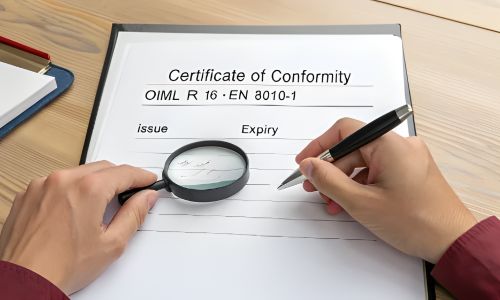
BIS CoC certification ensures that products meet strict compliance requirements and are safe for use in the Indian market. It helps manufacturers meet regulatory obligations while assuring consumers about product quality and performance.
Under the BIS Certificate of Conformity (CoC) Scheme, the Bureau of Indian Standards has notified specific product categories that must comply with applicable Indian Standards before being introduced into the market. These products are selected based on their relevance to safety, performance, and consumer protection, ensuring a consistent quality framework across industries.
As BIS continues to strengthen India’s quality ecosystem, the list of products under the CoC Scheme may expand over time. Manufacturers and importers dealing with notified products must ensure timely compliance to avoid regulatory issues and to maintain market credibility.
The process for obtaining a Certificate of Conformity involves the following steps:
Step 1: Documentation
Prepare and compile all required documents as per BIS guidelines.
Step 2: Application Filing
Submit the application through the BIS online portal.
Step 3: Submission of Documents & Test Reports
Provide necessary documents along with test reports from recognized laboratories.
Step 4: Application Review
BIS examines the submitted application and verifies compliance.
Step 5: Factory Inspection
BIS officials conduct a factory audit to evaluate manufacturing processes, quality control systems, and testing capabilities.
Step 6: Grant of CoC
The Certificate of Conformity is issued after successful evaluation and approval by BIS.
The Certificate of Conformity is typically valid for 1 to 2 years. It can be renewed for a period ranging from 1 to 5 years, subject to continued compliance. Renewal applications should be submitted at least 3 months before expiry.
Need help with other BIS schemes? These related certifications may also apply to your products:
Here are answers to some of the most common queries related to ISI certification. Whether you're starting the process or need clarity at any stage, these FAQs will help you better understand the requirements, process, and benefits.

It is a certification issued under Scheme IV confirming that a product complies with Indian Standards.
Yes, for products notified under Quality Control Orders.
The timeline varies depending on documentation and compliance readiness.
Typically 1–2 years, extendable up to 5 years upon renewal.
Yes, we provide complete support for documentation, application, and approvals.
Yes, foreign manufacturers can apply for BIS CoC certification through the prescribed procedures. They must comply with Indian Standards, submit required documentation, and may need to appoint an Authorized Indian Representative (AIR) to facilitate the process and ensure compliance with BIS regulations.
Would you like to speak with one of our senior technical advisors at PCN India? Simply share your details, and our team will connect with you shortly to assist with your global certification and compliance needs. You can also reach out to us via email if you prefer.
One of India's leading independent consultancy bodies providing compliance, certification, and regulatory services to international and domestic players in electronics, IT, chemical, and electrical sectors.